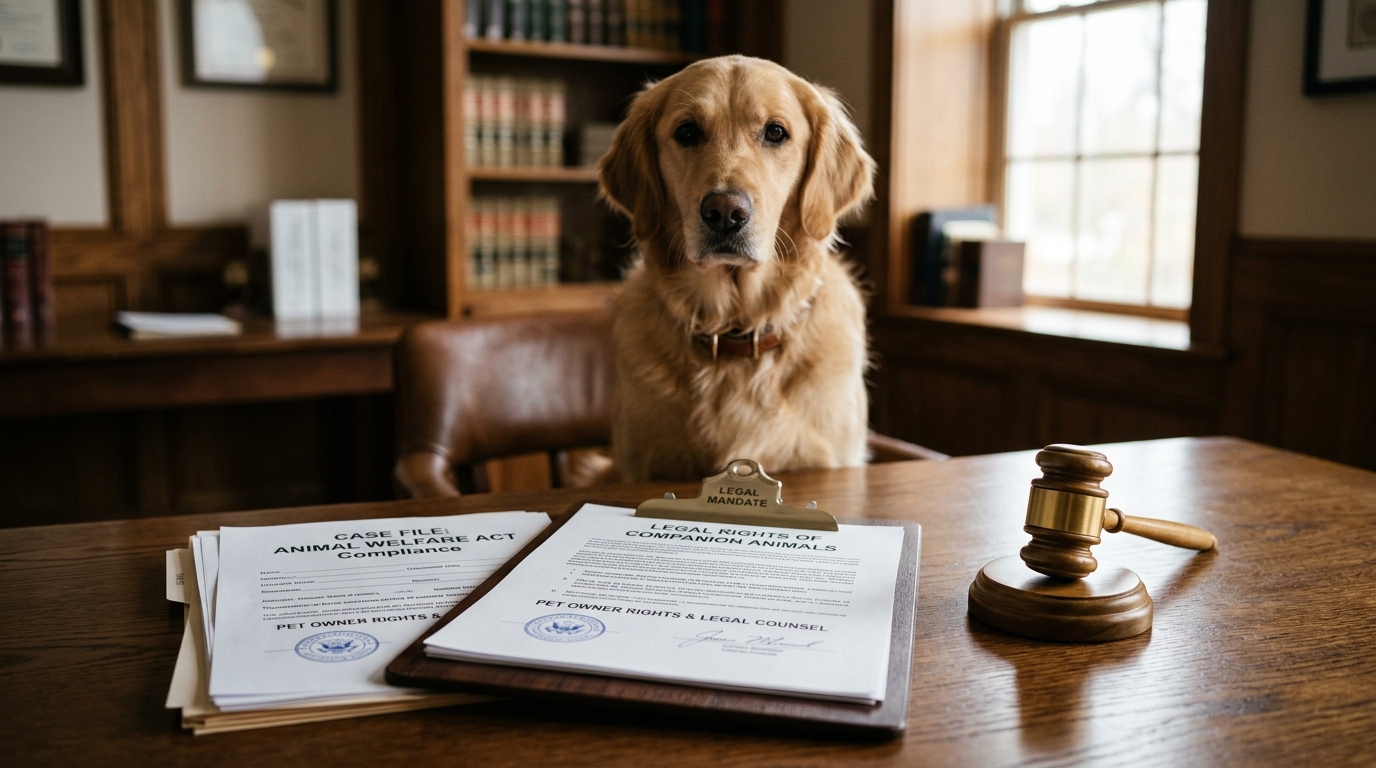
If an animal control officer shows up at your home, it’s natural to wonder:
Can they legally take your dog without a warrant?
The short answer is it depends on where you live and the circumstances.
Animal control laws vary between countries, states, provinces, and even cities. In some situations, officers may need a warrant before entering private property or removing a dog. In other cases—especially if they believe an animal is in immediate danger—they may have legal authority to act without one.
As someone who enjoys researching pet laws and responsible pet ownership, I found that there isn’t one simple answer that applies everywhere. The law often balances two important interests: protecting animal welfare and protecting the legal rights of property owners.
This guide explains the situations where animal control may or may not be able to remove a dog without a warrant and what steps you can take if it happens.
Disclaimer: This article is for general educational purposes only and is not legal advice. Laws vary by location. If your dog has been seized or you’re involved in an animal control investigation, consult a qualified attorney or your local authorities.
Quick Answer
In many places, animal control cannot simply take your dog without legal authority. Whether a warrant is required depends on local laws and the circumstances. However, officers may sometimes remove a dog without a warrant if they believe the animal faces an immediate threat to its health or safety, or if another law specifically allows emergency action.
When Might Animal Control Take a Dog Without a Warrant?
Although the rules vary, emergency situations are one of the most common exceptions.
Examples may include:
- A dog that appears severely injured or in immediate medical distress.
- A dog left in dangerous conditions, such as extreme heat or freezing temperatures.
- Evidence of severe neglect or abuse.
- A dog creating an immediate danger to the public.
- Situations where state or local law grants emergency seizure authority.
Whether these situations justify removing a dog without a warrant depends on the laws where the incident occurs.
When Is a Warrant More Likely to Be Required?
In many legal systems, entering private property or removing someone’s property—including pets—often requires legal authorization unless an exception applies.
For example, if an officer simply receives a complaint that your dog is barking or your yard is messy, they may need additional legal authority before entering certain private areas or removing your pet.
Again, the exact rules depend on local law.
Can Animal Control Enter Your Property?
This also depends on where you live.
Generally speaking:
- Areas open to the public, such as a front walkway, may be treated differently from fenced backyards or the inside of a home.
- Entering a home usually involves stronger legal protections than entering outdoor property.
- Emergency situations may create exceptions under some laws.
If you’re unsure about your rights, it’s best to seek legal advice specific to your location.
Why Would Animal Control Remove a Dog?
Common reasons include:
- Alleged neglect
- Suspected abuse
- Dangerous dog investigations
- Rabies quarantine requirements
- Repeated violations of local animal ordinances
- Court orders
- Cruelty investigations
Not every complaint results in a dog being removed. Many investigations end with warnings, education, or opportunities to correct a problem.
What Should You Do If Animal Control Arrives?
If animal control visits your home:
Stay Calm
Being respectful and cooperative often helps the situation remain calm.
Ask Questions
You can politely ask:
- Why are you here?
- Has a complaint been made?
- What law are you investigating?
- Is my dog being removed?
- What happens next?
Understanding the situation can help you respond appropriately.
Keep Records
If your dog is taken, consider keeping copies of:
- Veterinary records
- Vaccination certificates
- License information
- Adoption papers
- Photos of your dog’s condition
- Any written notices you receive
These documents may become important later.
Understand the Process
In many areas, owners have legal procedures available to challenge a seizure or request the return of their dog.
The deadlines and procedures vary depending on local law.
What Rights Do Dog Owners Have?
Your rights depend on your jurisdiction, but they may include:
- Being informed why your dog was removed.
- Receiving written documentation.
- Having the opportunity to respond.
- Appealing certain decisions.
- Requesting hearings where allowed by law.
Because legal systems differ widely, it’s important to understand the rules that apply where you live.
Can You Refuse to Let Animal Control In?
The answer depends on:
- Your local laws.
- Whether officers have a warrant.
- Whether an emergency exception applies.
Refusing entry in some situations may have legal consequences, while allowing entry may also affect your rights.
If you’re unsure, consider speaking with a lawyer before making decisions beyond identifying yourself or complying with clearly lawful instructions.
Frequently Asked Questions
Is my dog legally considered property?
In many countries, pets are legally classified as property, although modern animal welfare laws often recognize that they require special protection.
Can animal control take my dog after one complaint?
Not necessarily. A complaint often begins an investigation rather than resulting in immediate removal.
What if my dog bites someone?
Many jurisdictions have specific procedures for bite investigations, which may include quarantine, medical evaluation, or dangerous dog proceedings. The exact process varies by local law.
Can I get my dog back?
Often, yes—depending on why the dog was removed and whether you meet any legal requirements or deadlines. In some situations, court proceedings may determine the outcome.
Pet Researcher’s Tip 🐾
One thing that surprised me while researching this topic is that many animal control investigations don’t end with a pet being removed. In many cases, officers are focused on resolving complaints, educating owners, and ensuring animals are cared for properly. Understanding your local animal care laws before a problem arises can help you avoid unnecessary stress.
What I Learned While Researching This Topic
Before researching this subject, I assumed the answer would simply be “yes” or “no.” Instead, I discovered that the real answer depends heavily on local laws and whether there’s an emergency. That reminded me how important it is not to rely on general advice alone when legal questions are involved.
Final Thoughts
Can animal control take your dog without a warrant?
Sometimes—but not always.
The answer depends on where you live, the specific facts of the situation, and the laws that apply in your area. Emergency situations may allow officers to act without a warrant, while in other cases additional legal authorization may be required.
If your dog is ever seized, remain calm, ask for documentation, keep records, and consider seeking legal advice as soon as possible.