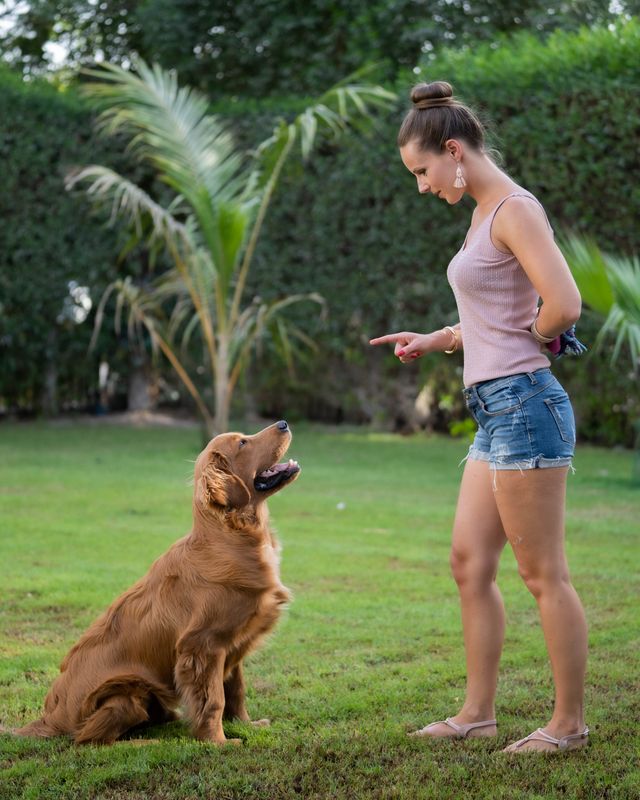
Training a dog can look easy when you watch someone else do it.
The dog sits.
The dog stays.
The dog comes when called.
Then you try it with your own dog—and suddenly they are more interested in sniffing the floor, chasing something outside, or completely ignoring you.
If this sounds familiar, don’t worry.
Training your dog isn’t about getting everything right on the first attempt. It is a process of teaching your dog what you want, giving them opportunities to practice, and rewarding the behaviors you want to see more often.
At Pet Control Pro, we’re pet lovers and researchers, not professional dog trainers or veterinarians. We research dog behavior and training because we genuinely enjoy learning about pets, and we want to turn that research into practical advice that other pet owners can use.
Here are some of the most useful dog training tips for beginners.
1. Start With the Basics
Don’t try to teach your dog 20 commands at once.
Start with useful behaviors such as:
- Responding to their name
- Paying attention to you
- Coming when called
- Sitting
- Waiting
- Leaving something alone
- Dropping something
- Walking calmly on a leash
- Going to a designated place
- Potty training
These behaviors are generally more useful in everyday life than teaching tricks.
2. Keep Training Sessions Short
One of the biggest beginner mistakes is assuming that more training is always better.
It isn’t necessarily.
If your dog becomes bored, frustrated, or overwhelmed, learning can become harder.
Instead of one long session, try several short sessions throughout the day.
For example:
Morning: Practice their name and attention.
Afternoon: Practice sit and recall.
Evening: Practice leash manners and calm behavior.
You can also train during normal activities rather than making every lesson feel like a formal class.
3. Use Rewards Your Dog Actually Wants
Reward-based training works best when the reward matters to your dog.
For some dogs, that might be:
- Small treats
- Praise
- A favorite toy
- Play
- Access to something they enjoy
If your dog isn’t interested in the reward you’re offering, don’t be surprised if they aren’t very motivated.
You may need to experiment to discover what your particular dog values.
4. Reward the Behavior You Want
This is one of the most important concepts for beginners.
If your dog does something you like, let them know.
For example, your dog lies quietly beside you.
You calmly praise or reward them.
You’re teaching:
Calm behavior gets good things.
The same principle can be used when your dog:
- Comes when called
- Sits instead of jumping
- Walks beside you
- Drops something
- Looks at you instead of reacting to a distraction
Don’t wait only for formal training sessions to reward good behavior.
5. Be Consistent
Imagine that jumping on people is allowed one day and forbidden the next.
Your dog has no way of understanding why the rules suddenly changed.
Everyone in the household should try to follow the same basic rules.
If you don’t want your dog on the sofa, for example, decide that before training begins.
Consistency makes your expectations easier for your dog to understand.
6. Teach Your Dog What to Do Instead
Beginners often focus heavily on stopping unwanted behavior.
But telling your dog what not to do isn’t always enough.
Suppose your dog jumps on visitors.
Instead of simply trying to stop the jumping, teach an alternative behavior such as sitting or going to their bed.
Now your dog has something useful to do.
This is an important part of training:
Don’t just remove the unwanted behavior. Teach a better replacement.
7. Don’t Expect Your Dog to Listen Everywhere Immediately
Your dog may sit perfectly in your living room and completely forget the command at the park.
That doesn’t necessarily mean your dog is being stubborn.
The environment has changed.
Outside, there may be:
- Other dogs
- People
- Cars
- Interesting smells
- Birds
- New sounds
- Food
- Movement
Start training in environments with fewer distractions.
Then gradually increase the difficulty.
8. Practice Recall Safely
Teaching your dog to come when called is extremely useful.
But don’t immediately test recall in an open area where your dog could run away.
Start somewhere secure.
Call your dog from a short distance.
When they come, reward them.
Gradually increase distance and distractions.
And try not to make every recall mean:
“The fun is over.”
If coming to you always results in losing something enjoyable, your dog may become less enthusiastic about returning.
9. Don’t Repeat Commands Over and Over
Imagine saying:
“Come.”
Nothing happens.
“Come!”
Still nothing.
“COME!”
Eventually your dog finally walks toward you.
Repeating the command many times can teach your dog that the first word isn’t important.
Instead, make the behavior easier and reward your dog when they respond correctly.
If they’re too distracted to listen, reduce the distraction and try again.
10. Learn to Read Your Dog’s Body Language
Training isn’t only about what your dog does.
You should also learn to notice how your dog is feeling.
Signs that a dog may be uncomfortable can include:
- Lip licking
- Yawning
- Turning away
- Tail tucking
- Avoidance
- Pacing
- Excessive panting
- Stiff body posture
Not every behavior means the same thing in every situation, so context matters.
Learning your dog’s body language can help you recognize when training has become too difficult or stressful.
11. Don’t Punish Fear
If your dog is afraid of something, punishing the reaction doesn’t necessarily remove the fear.
For example, if your dog is frightened by another dog and starts barking, yelling at them may make the situation even more stressful.
Instead, work on managing the situation and gradually helping your dog develop a better response.
For serious fear or aggression, professional guidance is important.
12. Give Your Dog Enough Mental Stimulation
A dog can be physically tired and still need mental stimulation.
Training itself provides mental exercise.
You can also use:
- Scent games
- Food puzzles
- Simple searching games
- Appropriate chew toys
- Learning new behaviors
Mental stimulation can give your dog an appropriate outlet for curiosity and energy.
13. Make Training Part of Everyday Life
You don’t have to carry treats around all day and conduct formal training sessions.
Use normal situations.
Before putting down your dog’s food, ask for a simple behavior.
Before opening the door, practice waiting.
During a walk, reward your dog for checking in with you.
When your dog settles quietly, reward the calm behavior.
These small moments add up.
14. Don’t Compare Your Dog With Other Dogs
This is easier said than done.
You may see another dog performing complicated tricks and wonder why yours isn’t doing the same.
But dogs learn at different rates.
Age, previous experiences, environment, motivation, temperament, and distractions can all affect learning.
Focus on your dog’s progress.
If your dog needed ten attempts yesterday and succeeded after five today, that’s progress.
15. End Training on a Positive Note
You don’t need to keep training until your dog gets exhausted.
If your dog has successfully completed a simple behavior several times, ending there can be better than pushing until they become frustrated.
Training should give your dog reasons to want to participate again.
Common Dog Training Mistakes Beginners Make
Training for Too Long
Long sessions can lead to boredom and frustration.
Expecting Instant Results
A behavior that works in your living room may not work in a busy park yet.
Changing the Rules
Inconsistent household rules can confuse your dog.
Only Training When Something Goes Wrong
Training shouldn’t happen only when your dog misbehaves.
Using Your Dog’s Name for Scolding
You want your dog’s name to have a positive meaning.
Moving Too Quickly
Increase distractions gradually rather than expecting your dog to perform perfectly immediately.
Ignoring Good Behavior
Your dog doesn’t need to misbehave before you interact with them.
Notice the good behavior too.
What Should a Beginner Teach a Dog First?
If you’re completely new to dog training, start with these:
First
Name and attention
Teach your dog that responding to you is worthwhile.
Next
Come
Build a reliable recall in safe environments.
Then
Sit and wait
These can help with everyday situations.
After that
Leave it and drop it
These can be useful safety behaviors.
Alongside everything else
Potty training, leash manners, and calm behavior
These aren’t just commands. They’re part of teaching your dog how to live successfully in your household.
How Long Does Dog Training Take?
There isn’t one answer.
A simple behavior may be learned relatively quickly, but learning a behavior and performing it reliably in different environments are two different things.
For example, your dog might learn “sit” in your kitchen fairly quickly.
That doesn’t mean they’ll automatically sit when:
- Another dog is nearby
- Someone is knocking on the door
- They’re excited
- They’re outside
- They’re chasing a smell
Reliable behavior requires repetition and gradual practice.
Can You Train an Older Dog?
Yes.
An older dog can still learn new behaviors.
You may need to consider previous habits and experiences, but age alone doesn’t mean training is pointless.
In some cases, an older dog may actually have an advantage because they can already have good attention and household routines.
What If My Dog Won’t Listen?
First, ask whether your dog actually understands what you’re asking.
Then consider:
- Is the environment too distracting?
- Is the reward motivating enough?
- Is the behavior too difficult?
- Is the training session too long?
- Is your dog tired, stressed, or uncomfortable?
Sometimes what looks like stubbornness is simply a training problem that needs to be made easier.
What If My Dog Is Aggressive?
Aggression deserves more careful handling than ordinary obedience problems.
Growling, lunging, snapping, or biting shouldn’t simply be treated as a failure to obey.
Aggression can have different causes, including fear, pain, guarding behavior, frustration, and other factors.
Don’t deliberately expose an aggressive dog to triggers to see whether they will “get used to it.”
For serious aggression, seek help from a qualified behavior professional. If the behavior appeared suddenly, a veterinary assessment may also be appropriate.
Pet Researcher’s Tip 🐾
One of the biggest things I’ve learned while researching dog training is that your dog is learning even when you aren’t intentionally training.
If your dog jumps on you and gets attention every time, they may learn that jumping works.
If barking always results in the door opening, barking may become more useful to them.
If calmly lying down gets praise and attention, calmness can become more rewarding.
So don’t think of training as something that happens only when you say, “Let’s train.”
Your everyday reactions are teaching your dog too.
Final Thoughts
Dog training doesn’t have to be complicated.
Start with a few useful behaviors. Keep sessions short. Reward the behavior you want. Be consistent. Practice in different environments gradually, and give your dog time to understand what you’re asking.
Most importantly, don’t measure success by how many commands your dog knows.
A well-trained dog isn’t necessarily the dog that can perform the most tricks.
It’s the dog that can live safely and comfortably with you while understanding what you expect in everyday situations.
At Pet Control Pro, we’re pet lovers and researchers—not professional dog trainers. We research dog behavior and pet care because we genuinely enjoy learning about animals, and we aim to share practical information without pretending to have professional experience we don’t have.
If your dog has serious aggression, severe fear, biting behavior, or another problem that creates a safety risk, online tips shouldn’t replace appropriate professional help.