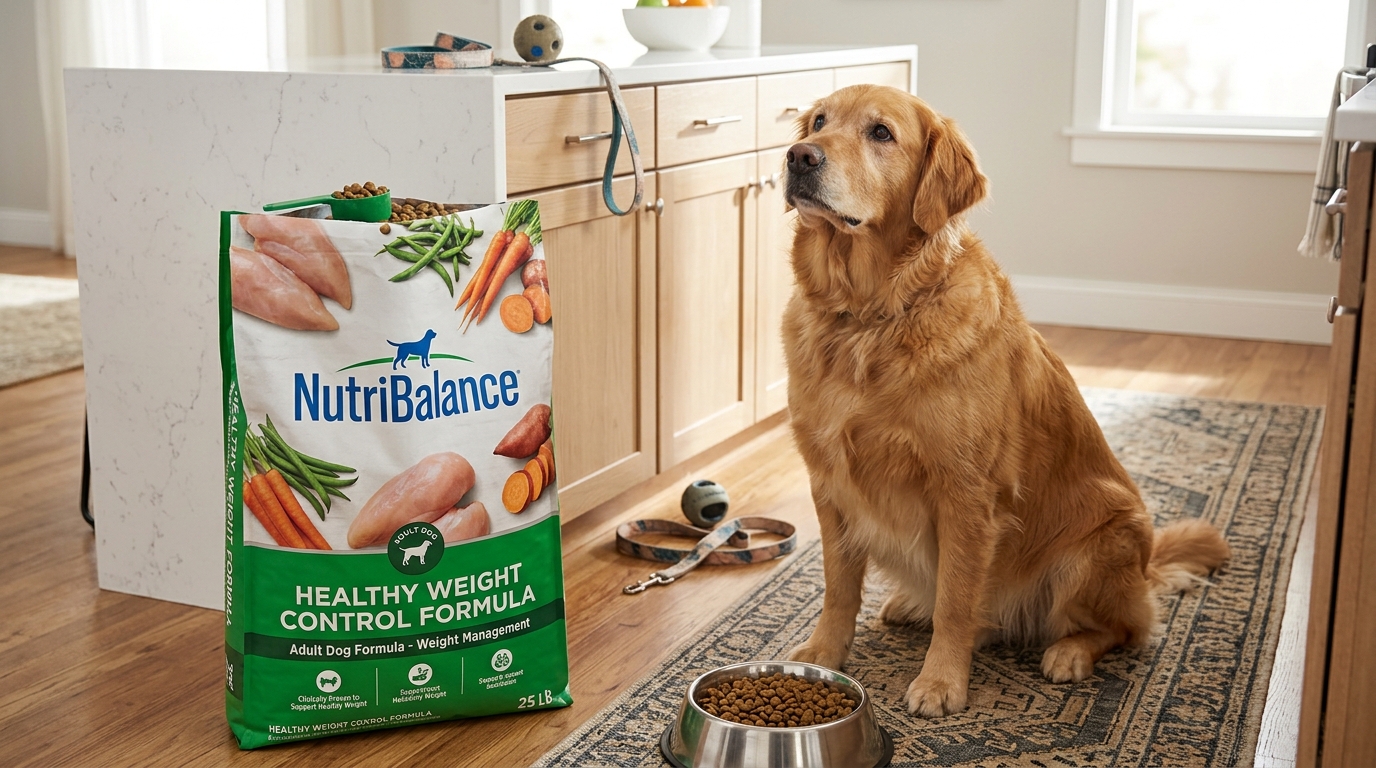
Keeping your dog at a healthy weight is one of the best things you can do for their long-term health.
Just a few extra pounds can put additional stress on your dog’s joints, heart, and overall well-being. The good news is that the right nutrition, combined with regular exercise and healthy habits, can help your dog achieve and maintain a healthier weight.
One option many pet owners consider is weight control dog food. But is it really different from regular dog food? And how do you know if your dog actually needs it?
As someone who enjoys researching pet nutrition, I’ve learned that weight management isn’t simply about feeding less food. It’s about choosing the right balance of calories, nutrients, protein, and fiber while making sure your dog still receives complete nutrition.
In this guide, we’ll explore what weight control dog food is, how it works, and what to look for before making a change.
Important: If your dog is overweight or suddenly gains or loses weight, it’s a good idea to speak with your veterinarian. They can rule out underlying health problems and recommend an appropriate weight management plan.
Quick Answer
Weight control dog food is specially formulated to provide fewer calories while still supplying the nutrients your dog needs. These diets often contain more fiber, lean protein, and controlled fat levels to help dogs feel full while supporting gradual, healthy weight loss or weight maintenance.
What Is Weight Control Dog Food?
Weight control dog food is designed for dogs that need to lose weight or maintain a healthy body condition after weight loss.
Compared with regular dog food, these formulas often contain:
- Fewer calories per serving
- Higher fiber content
- Lean sources of protein
- Moderate fat levels
- Essential vitamins and minerals
The goal is to help dogs feel satisfied without consuming more calories than they need.
Why Maintaining a Healthy Weight Matters
Excess weight can affect almost every part of a dog’s body.
An overweight dog may have a higher risk of:
- Joint problems
- Arthritis
- Heart disease
- Diabetes
- Breathing difficulties
- Reduced mobility
- Lower energy levels
Helping your dog maintain a healthy weight may improve both their quality of life and lifespan.
Signs Your Dog May Be Overweight
It isn’t always easy to notice gradual weight gain.
Some common signs include:
- Difficulty feeling the ribs beneath a layer of fat
- Loss of a visible waist when viewed from above
- A rounded or sagging abdomen
- Becoming tired during walks
- Less interest in exercise
- Difficulty jumping onto furniture or climbing stairs
If you’re unsure whether your dog is overweight, your veterinarian can assess their Body Condition Score (BCS) and advise you on an appropriate weight range.
How Does Weight Control Dog Food Work?
Weight management foods aren’t “magic” diets.
Instead, they help by making it easier to reduce calorie intake without leaving your dog constantly hungry.
Most formulas achieve this by including:
Higher Protein
Protein helps maintain muscle while your dog loses fat.
It also helps many dogs feel satisfied after meals.
More Fiber
Fiber adds bulk to food without adding many calories.
This can help your dog feel fuller for longer.
Controlled Fat Levels
Fat provides energy, but it’s also calorie-dense.
Weight control foods usually contain enough healthy fat for good nutrition while limiting excess calories.
Balanced Nutrition
Even though these foods contain fewer calories, they should still provide complete and balanced nutrition appropriate for your dog’s life stage.
Ingredients to Look For
When comparing weight control dog foods, consider looking for:
✅ Real meat or fish as a primary protein source
✅ Whole grains or healthy carbohydrate sources (if appropriate for your dog)
✅ Natural fiber sources such as:
- Pumpkin
- Sweet potato
- Brown rice
- Beet pulp
✅ Omega-3 and Omega-6 fatty acids for skin and coat health
✅ Essential vitamins and minerals
Always read the ingredient list and guaranteed analysis rather than relying only on marketing claims.
Ingredients That May Not Be Ideal
Not every weight management food is the same.
Some products may rely heavily on inexpensive fillers while providing limited high-quality protein.
When researching foods, pay attention to the overall nutritional balance rather than choosing based only on buzzwords like “light” or “diet.”
Is Weight Control Dog Food Right for Every Dog?
No.
Healthy, active dogs at an ideal weight may not need a lower-calorie diet.
Weight control food is often recommended for:
- Overweight dogs
- Dogs that gain weight easily
- Less active dogs
- Senior dogs with reduced activity levels (depending on their nutritional needs)
- Dogs that have already lost weight and need help maintaining it
Puppies and highly active working dogs generally have different nutritional requirements and should not be switched to a weight control diet unless advised by a veterinarian.
Tips for Helping Your Dog Lose Weight
Changing food is only one part of a successful weight management plan.
You can also:
- Measure each meal instead of estimating portions.
- Reduce high-calorie treats.
- Choose healthier treat options when appropriate.
- Increase daily walks gradually.
- Add mentally stimulating games.
- Use puzzle feeders to slow eating.
- Avoid giving frequent table scraps.
- Weigh your dog regularly to monitor progress.
Small, consistent changes are often more effective than drastic ones.
Common Mistakes Pet Owners Make
Feeding Too Many Treats
Treats can add a surprising number of calories, even if your dog’s meals are carefully measured.
Guessing Portion Sizes
Using a measuring cup or kitchen scale can help prevent accidental overfeeding.
Changing Foods Too Quickly
Introduce a new food gradually over several days to reduce the chance of digestive upset.
Expecting Fast Weight Loss
Healthy weight loss usually happens gradually. Rapid weight loss may not be safe and should be discussed with your veterinarian.
Frequently Asked Questions
Can healthy dogs eat weight control dog food?
Some can, but it’s not always necessary. Dogs at an ideal weight generally do best on a diet that matches their age, activity level, and overall health.
How long does it take for a dog to lose weight?
Every dog is different. Safe, gradual weight loss often takes weeks to several months, depending on the amount of weight that needs to be lost and the guidance of your veterinarian.
Should I feed less food instead of switching diets?
Sometimes portion control is enough. In other cases, a veterinarian may recommend a specially formulated weight management food to ensure your dog still receives balanced nutrition while reducing calories.
Are grain-free weight control foods better?
Not necessarily. Whether a grain-free diet is appropriate depends on your dog’s individual nutritional needs and your veterinarian’s advice. Grain-free doesn’t automatically mean healthier or better for weight loss.
Pet Researcher’s Tip 🐾
One thing that surprised me while researching weight management is that exercise alone usually isn’t enough to help an overweight dog lose weight. Nutrition plays an equally important role. Measuring meals accurately, limiting treats, and choosing balanced food often make a much bigger difference than simply adding longer walks.
What I Learned While Researching This Topic
Before researching this topic, I thought weight control dog food was simply regular dog food with fewer calories. Instead, I discovered that quality weight management diets are carefully designed to help dogs stay full while still receiving complete nutrition.
That reminded me that successful weight management isn’t about making dogs eat as little as possible—it’s about helping them eat smarter.
Final Thoughts
Weight control dog food can be a helpful tool for dogs that need to lose weight or maintain a healthy body condition. However, no single food works on its own. Regular exercise, appropriate portion sizes, and consistent monitoring all contribute to long-term success.
If you’re concerned about your dog’s weight, work with your veterinarian to develop a plan that suits your dog’s age, lifestyle, and health needs.