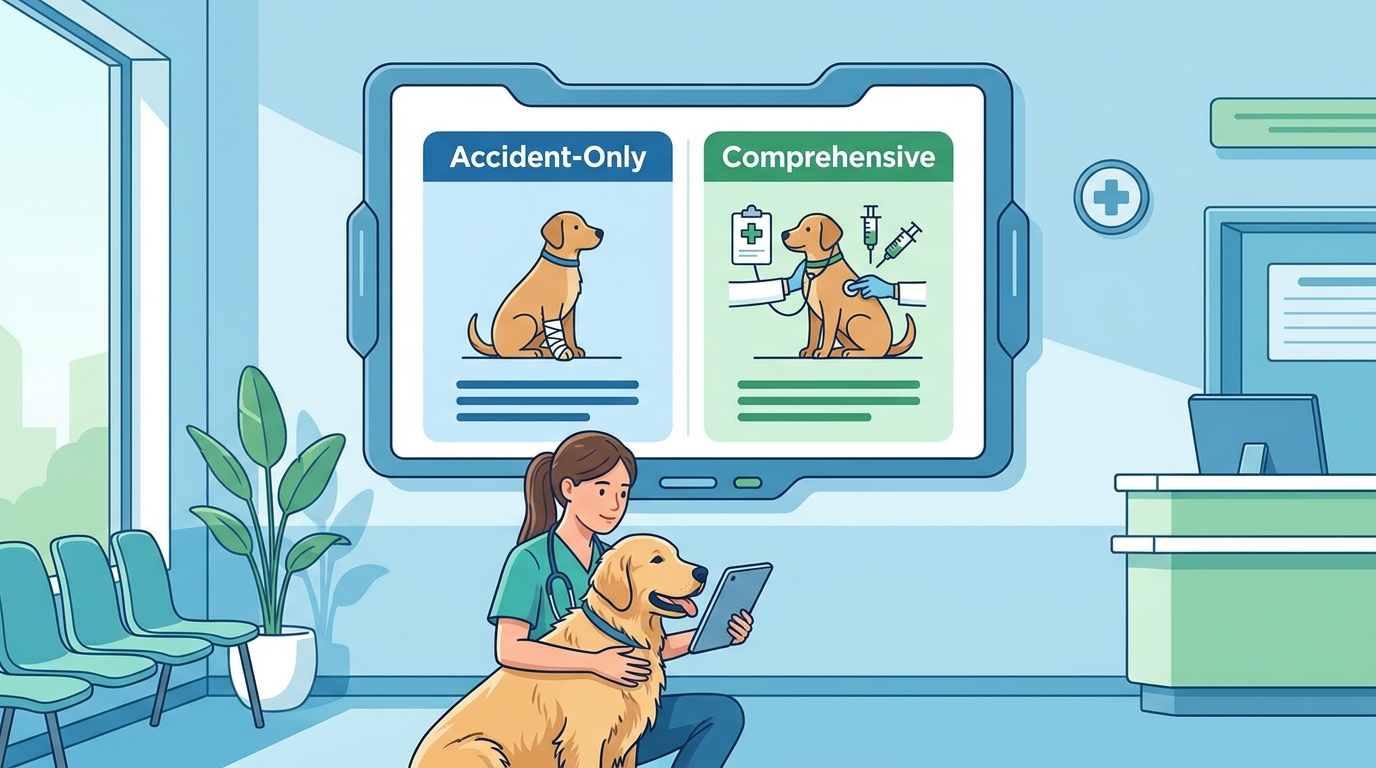
Unexpected veterinary bills can happen when you least expect them. A broken leg from an energetic game at the park, an illness that requires surgery, or an emergency visit to the veterinarian can quickly become expensive.
That’s why many dog owners consider pet insurance. But with so many providers offering different plans, deductibles, reimbursement rates, and exclusions, choosing the right policy can feel overwhelming.
As someone who enjoys researching pet care, I discovered that there isn’t one pet insurance company that’s best for every dog. The right choice depends on your dog’s age, breed, health, lifestyle, and your budget.
Instead of recommending one specific insurer, this guide explains what to compare before you buy a policy so you can make an informed decision.
Important: This article is for educational purposes only and should not be considered financial or insurance advice. Insurance policies vary by provider and country. Always read the policy documents carefully before purchasing coverage.
Quick Answer
The best pet insurance for your dog is one that offers coverage suited to your dog’s needs, has clear policy terms, affordable premiums, reasonable deductibles, fair reimbursement rates, and minimal exclusions. Compare several providers before making a decision rather than choosing solely based on price.
Why Consider Pet Insurance?
Veterinary care has advanced significantly in recent years, offering treatments that can help dogs live longer and healthier lives.
However, advanced care can also be expensive.
Pet insurance may help reduce the financial impact of unexpected:
- Accidents
- Illnesses
- Surgeries
- Emergency veterinary visits
- Diagnostic testing
- Prescription medications
Some providers also offer optional wellness or preventive care plans.
Step 1: Think About Your Dog’s Needs
Before comparing policies, think about your dog.
Ask yourself:
- How old is my dog?
- Does my breed have common inherited health conditions?
- Is my dog highly active?
- Does my dog spend a lot of time outdoors?
- Could I comfortably pay a large emergency vet bill?
Your answers can help narrow down the type of coverage that makes the most sense.
Step 2: Understand What the Policy Covers
Not every policy offers the same protection.
Look for information about coverage for:
Accidents
This may include:
- Broken bones
- Bite wounds
- Swallowed foreign objects
- Poisoning
- Cuts and injuries
Illnesses
Many comprehensive policies cover illnesses such as:
- Ear infections
- Digestive problems
- Skin conditions
- Cancer treatments (depending on the policy)
- Chronic diseases
Surgery
If surgery is medically necessary for a covered condition, many policies help reimburse eligible expenses.
Diagnostic Tests
Some plans include:
- Blood tests
- X-rays
- Ultrasounds
- MRI or CT scans
Coverage varies by provider.
Prescription Medication
Many accident-and-illness plans include medications prescribed to treat covered conditions.
Step 3: Know What’s Not Covered
Every insurance policy has exclusions.
Common exclusions may include:
- Pre-existing conditions
- Cosmetic procedures
- Breeding expenses
- Experimental treatments
- Routine care (unless added separately)
Reading the exclusions carefully can help prevent surprises later.
Step 4: Compare Deductibles
A deductible is the amount you’re responsible for paying before your insurance begins reimbursing eligible expenses.
Generally:
- Lower deductibles often mean higher monthly premiums.
- Higher deductibles often mean lower monthly premiums.
Think about what fits your budget if an emergency occurs.
Step 5: Compare Reimbursement Rates
Many insurers reimburse a percentage of eligible veterinary costs after you’ve met your deductible.
Common reimbursement rates include:
- 70%
- 80%
- 90%
A higher reimbursement percentage may reduce your out-of-pocket costs, but it can also increase your premium.
Step 6: Understand Waiting Periods
Most policies don’t begin covering every condition immediately after you enroll.
Many have waiting periods before certain illnesses or injuries become eligible for reimbursement.
Knowing these timelines helps you understand when your coverage begins.
Step 7: Check Annual or Lifetime Limits
Some policies limit how much they’ll reimburse:
- Per year
- Per condition
- Over your dog’s lifetime
If your dog develops a long-term health condition, these limits can become important.
Step 8: Review the Claims Process
A simple claims process can make stressful situations easier.
Before purchasing a policy, find out:
- How claims are submitted.
- How long reimbursements usually take.
- Whether claims can be submitted online.
- Whether the company offers customer support when you need help.
Step 9: Read Customer Reviews Carefully
Customer reviews can provide useful insights, but remember:
Some reviews describe excellent experiences.
Others reflect situations where owners misunderstood the policy.
Instead of focusing only on star ratings, look for repeated comments about:
- Claim processing
- Customer service
- Clear communication
- Ease of reimbursement
Step 10: Compare More Than One Provider
Avoid purchasing the first policy you find.
Comparing several companies gives you a better understanding of:
- Coverage
- Monthly costs
- Deductibles
- Reimbursement rates
- Exclusions
- Policy limits
A little research now may save money and frustration later.
Common Mistakes When Choosing Pet Insurance
Choosing the Cheapest Policy
A lower premium doesn’t always provide better value.
Policies with very low monthly costs may have higher deductibles, lower reimbursement percentages, or more exclusions.
Ignoring Exclusions
Always read what isn’t covered—not just what is.
Waiting Too Long
Many insurers don’t cover conditions that existed before enrollment.
Buying insurance while your dog is young and healthy may provide more coverage options.
Not Reviewing the Policy Each Year
Insurance providers sometimes update pricing or coverage options.
Review your policy periodically to ensure it still meets your needs.
Is Pet Insurance Worth It?
There’s no universal answer.
Some owners appreciate the financial protection if their dog experiences an unexpected emergency.
Others prefer to build a dedicated savings fund for veterinary expenses instead.
The right choice depends on:
- Your budget
- Your comfort with financial risk
- Your dog’s health
- Veterinary costs where you live
Frequently Asked Questions
When is the best time to buy pet insurance?
Many owners choose to insure their dogs while they’re young and healthy, before any medical conditions develop.
Can older dogs get pet insurance?
Many insurers offer coverage for older dogs, although premiums and available options may differ.
Does pet insurance cover vaccinations?
Routine vaccinations are often available only through optional wellness or preventive care add-ons.
Can I use any veterinarian?
Many providers allow you to visit any licensed veterinarian, but it’s always best to confirm this before purchasing a policy.
Pet Researcher’s Tip 🐾
One thing that stood out while researching pet insurance is that reading the exclusions is just as important as reading the coverage. It’s easy to focus on what a policy promises to pay for, but understanding what’s excluded can help you avoid unexpected costs later.
What I Learned While Researching This Topic
Before researching pet insurance, I assumed choosing a policy was mostly about finding the lowest monthly premium. Instead, I discovered that deductibles, reimbursement rates, waiting periods, and coverage limits often have a much bigger impact on the overall value of a policy.
That reminded me that the best insurance isn’t necessarily the cheapest—it’s the one that fits your dog’s needs and your financial situation.
Final Thoughts
Choosing pet insurance doesn’t have to be complicated. By understanding how policies work and comparing more than just the monthly premium, you can make a more confident decision.
Take time to review coverage, exclusions, deductibles, reimbursement rates, and waiting periods before purchasing a policy. A little research today can help you prepare for unexpected veterinary expenses in the future.