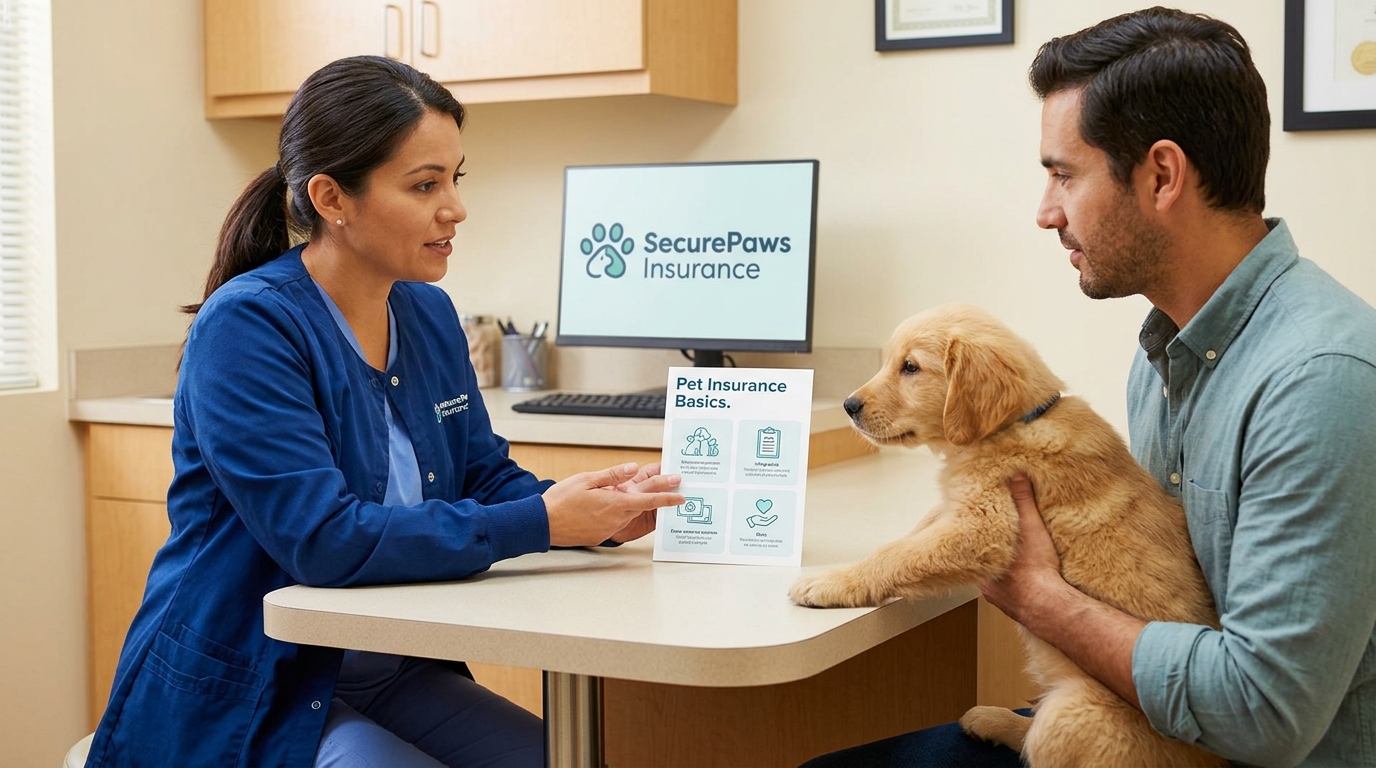
Pets are part of the family, and like any family member, they can become sick or injured when you least expect it. While regular checkups are usually manageable, emergency veterinary treatment can sometimes be expensive.
That’s where pet insurance comes in.
Pet insurance is designed to help pet owners manage the cost of unexpected veterinary care. But with so many plans, exclusions, and reimbursement rules, it’s easy to feel overwhelmed.
As someone who enjoys researching pet care, I’ve found that many people misunderstand how pet insurance works. It doesn’t usually function like human health insurance. Instead, most plans reimburse you for eligible veterinary expenses after you’ve paid the bill, although some providers may offer direct payment arrangements with participating clinics.
This guide explains what pet insurance is, how it works, what it typically covers, and the questions to ask before choosing a policy.
Important: Pet insurance policies vary by company and country. Always read the policy documents carefully to understand what’s covered, what’s excluded, waiting periods, reimbursement limits, and deductibles.
Quick Answer
Pet insurance helps cover eligible veterinary costs if your pet becomes ill or is injured. Most plans require you to pay the veterinarian first and then submit a claim for reimbursement. Coverage, exclusions, deductibles, waiting periods, and reimbursement percentages vary by provider and policy.
What Is Pet Insurance?
Pet insurance is a financial product that helps reduce the cost of unexpected veterinary care.
Depending on the policy, it may help pay for:
- Accidents
- Illnesses
- Surgery
- Hospitalization
- Diagnostic tests
- Prescription medications
Some insurers also offer optional wellness or preventive care add-ons.
How Does Pet Insurance Work?
Although policies differ, the process often looks like this:
- Choose a pet insurance policy.
- Pay your monthly or annual premium.
- Visit your veterinarian if your pet becomes sick or injured.
- Pay the veterinary bill.
- Submit a claim with your insurer.
- Receive reimbursement for eligible expenses according to your policy.
Some companies have different claim processes, so always review your insurer’s instructions.
What Does Pet Insurance Usually Cover?
Coverage depends on the provider, but many comprehensive plans include:
Accidents
Examples include:
- Broken bones
- Bite wounds
- Swallowed objects
- Cuts and injuries
- Emergency treatment
Illnesses
Many policies cover illnesses such as:
- Ear infections
- Skin conditions
- Digestive illnesses
- Certain chronic diseases
- Some hereditary conditions (depending on the policy)
Diagnostic Tests
Coverage may include:
- Blood tests
- X-rays
- Ultrasounds
- MRI or CT scans (depending on the plan)
Surgery
If surgery is medically necessary and covered by the policy, insurance may reimburse eligible costs after applicable deductibles and limits.
Prescription Medications
Many accident-and-illness plans include medications prescribed to treat covered conditions.
What Is Usually Not Covered?
Common exclusions may include:
- Pre-existing conditions
- Cosmetic procedures
- Breeding-related expenses
- Experimental treatments
- Conditions excluded by the policy
- Routine care (unless you purchase a wellness add-on)
Every policy is different, so read the exclusions carefully.
Is Pet Insurance Worth It?
The answer depends on your situation.
Many owners find value in pet insurance because it can reduce the financial burden of unexpected emergencies.
Others prefer to save money in a dedicated emergency fund instead.
When deciding, consider:
- Your budget
- Your pet’s age
- Breed-related health risks
- Local veterinary costs
- Your ability to pay large emergency bills
There isn’t one right answer for every pet owner.
When Should You Buy Pet Insurance?
Many insurers allow you to enroll pets while they’re young and healthy.
Buying coverage earlier may help avoid exclusions related to conditions that develop later, since many policies do not cover illnesses or injuries that existed before enrollment.
Questions to Ask Before Choosing a Policy
Compare policies carefully.
Consider asking:
- What illnesses are covered?
- What accidents are covered?
- Are hereditary conditions included?
- What’s the deductible?
- What’s the reimbursement percentage?
- Are there annual or lifetime limits?
- Are there waiting periods?
- Can I visit any licensed veterinarian?
- Are prescription medications covered?
- What exclusions apply?
Comparing these details can help you choose a policy that fits your needs.
Alternatives to Pet Insurance
Some owners choose not to purchase insurance.
Instead, they may:
- Build a dedicated pet emergency savings fund.
- Set aside a fixed amount each month.
- Explore veterinary payment plans where available.
These approaches may work well for some households, but they don’t provide the same type of financial protection as insurance.
Frequently Asked Questions
Does pet insurance cover routine checkups?
Some plans offer wellness or preventive care as an optional add-on, but many standard accident-and-illness policies do not include routine checkups.
Can I get insurance for an older pet?
Many insurers offer coverage for older pets, although premiums may be higher and coverage options may vary.
Can I choose my own veterinarian?
Many pet insurance providers allow you to visit any licensed veterinarian, but you should always confirm this with your chosen insurer.
Does pet insurance cover vaccinations?
Routine vaccinations are often covered only if you’ve purchased a wellness or preventive care add-on.
Pet Researcher’s Tip 🐾
One thing that surprised me while researching pet insurance is that the cheapest policy isn’t always the best value. A low monthly premium may come with higher deductibles, lower reimbursement rates, or more exclusions. Looking beyond the monthly cost can help you make a better long-term decision.
What I Learned While Researching This Topic
Before researching pet insurance, I assumed every policy worked the same way. Instead, I discovered that coverage, claim processes, reimbursement percentages, and exclusions can vary significantly between providers.
That reminded me that reading the policy details carefully is just as important as comparing prices.
Final Thoughts
Pet insurance can provide valuable financial support when unexpected veterinary bills arise, but it’s not a one-size-fits-all solution. The right choice depends on your budget, your pet’s health, and how comfortable you are handling emergency expenses on your own.
Take time to compare policies, understand what’s covered, and read the exclusions before making a decision.