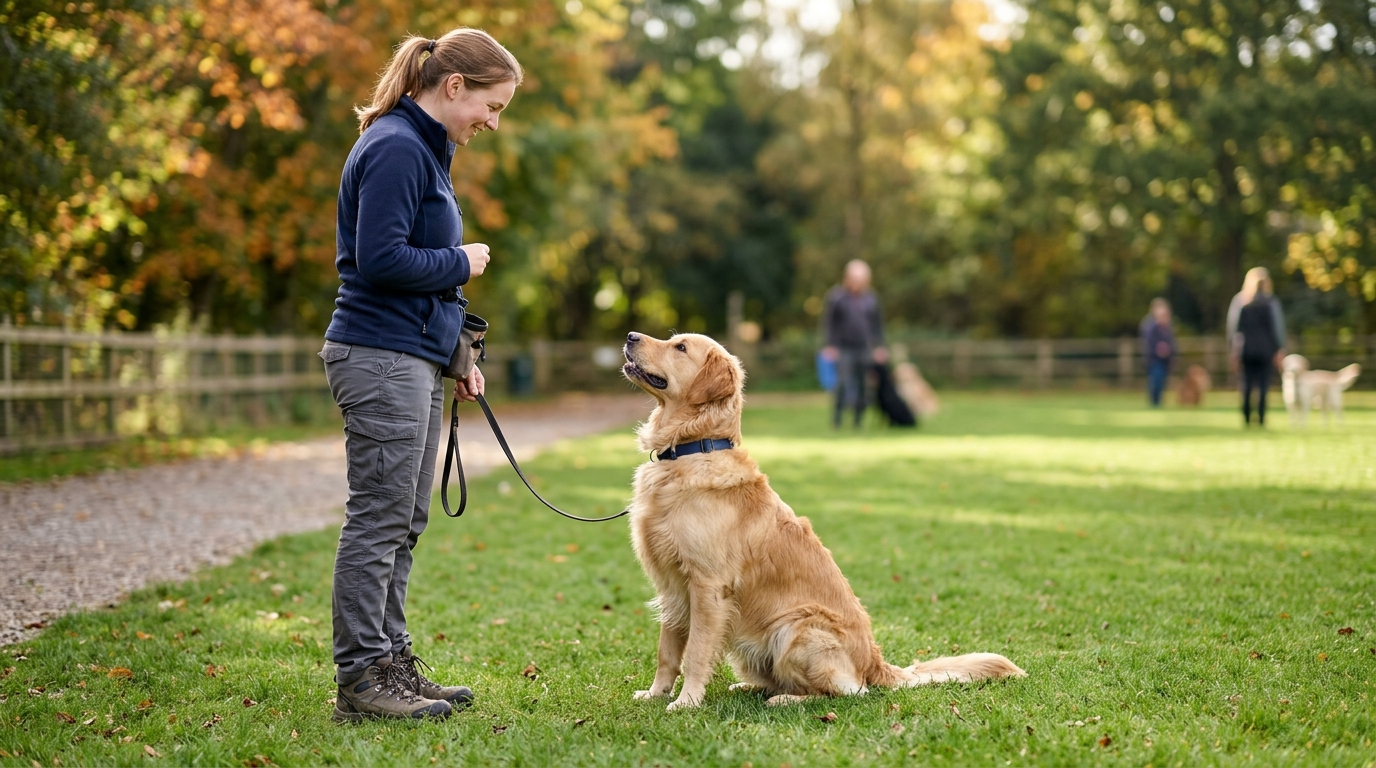
Barking is a normal part of being a dog.
Your dog may bark to greet you, warn you about a stranger, ask for attention, or express excitement. While occasional barking is perfectly normal, constant or excessive barking can become stressful for both you and your neighbors.
The good news is that most barking problems can be improved once you understand why your dog is barking in the first place.
As someone who enjoys researching pet behavior, one thing I’ve learned is that barking isn’t usually the real problem—it’s often a symptom of something else. Your dog is trying to communicate, and understanding that message is the first step toward finding a solution.
This guide explains the common reasons dogs bark, practical ways to reduce excessive barking, and mistakes many pet owners make during training.
Important: If your dog’s barking starts suddenly, becomes extreme, or is accompanied by signs of pain or illness, schedule a veterinary check-up to rule out any underlying medical issues.
Quick Answer
To control dog barking, first identify why your dog is barking. Common causes include boredom, fear, excitement, territorial behavior, or seeking attention. Once you understand the cause, use consistent training, regular exercise, mental stimulation, and positive reinforcement to teach your dog when it’s appropriate to stay quiet.
Why Do Dogs Bark?
Dogs bark for many different reasons.
Understanding the cause helps you choose the right solution.
Common reasons include:
- Alerting you to visitors
- Protecting their territory
- Seeking attention
- Excitement
- Fear or anxiety
- Loneliness
- Boredom
- Frustration
- Reacting to other dogs
- Hearing unfamiliar sounds
Different causes require different approaches.
Step 1: Identify Your Dog’s Barking Trigger
Before trying to stop the barking, observe when it happens.
Ask yourself:
- Does your dog bark only when someone knocks?
- Only when left alone?
- At passing cars?
- At other dogs?
- During play?
- At night?
Keeping a simple diary for a few days can help you notice patterns.
Step 2: Give Your Dog Enough Exercise
Many dogs bark simply because they have too much unused energy.
Regular exercise may include:
- Daily walks
- Fetch
- Tug games
- Hiking
- Swimming (for dogs that enjoy it)
A tired dog is often calmer than one with excess energy.
Step 3: Provide Mental Stimulation
Mental exercise is just as important as physical activity.
Try:
- Puzzle feeders
- Snuffle mats
- Hide-and-seek games
- Basic obedience training
- Scent work
- Food-dispensing toys
Keeping your dog’s brain busy can reduce boredom-related barking.
Step 4: Avoid Rewarding Barking
Sometimes owners accidentally teach barking.
For example:
Your dog barks…
You immediately give attention.
From your dog’s perspective:
“Barking worked.”
Instead, wait for a moment of quiet before offering attention or rewards.
Step 5: Reward Quiet Behavior
Rather than focusing only on stopping barking, reward the behavior you want.
Whenever your dog chooses to remain calm in situations where they normally bark:
- Praise them.
- Offer a small treat.
- Use a favorite toy.
- Continue the activity.
Dogs learn faster when calm behavior is consistently rewarded.
Step 6: Reduce Visual Triggers
Some dogs bark every time they see:
- People walking past
- Delivery drivers
- Other dogs
- Wildlife
You may be able to reduce barking by:
- Closing curtains
- Using frosted window film
- Blocking access to certain windows
- Supervising outdoor time
Removing the trigger can make training easier.
Step 7: Teach an Alternative Behavior
Instead of simply telling your dog to stop barking, teach them something else to do.
For example:
When someone knocks on the door:
- Go to a mat.
- Sit quietly.
- Look at you.
- Wait for a reward.
This gives your dog a clear job instead of simply trying not to bark.
Step 8: Stay Calm
Yelling often has the opposite effect.
To your dog, shouting may sound like you’re joining in.
Instead:
- Speak calmly.
- Stay consistent.
- Avoid frustration.
Calm owners often help create calmer dogs.
Step 9: Help Dogs With Separation Anxiety
If your dog only barks when left alone, anxiety may be the cause.
Other signs include:
- Destructive behavior
- Pacing
- Drooling
- Scratching at doors
- Attempting to escape
Gradual alone-time training and professional guidance may help.
Step 10: Socialize Your Dog
Some barking comes from fear of unfamiliar people, dogs, or environments.
Gradual, positive socialization can help many dogs become more confident.
Step 11: Learn Your Dog’s Body Language
Dogs often show signs of stress before they bark.
Watch for:
- Lip licking
- Yawning
- Pacing
- Whale eye
- Tail tucked
- Ears pinned back
Recognizing these signals early allows you to intervene before barking begins.
Step 12: Be Patient and Consistent
Changing behavior takes time.
Some dogs improve within a few weeks.
Others require several months of consistent practice.
Progress is rarely perfectly linear.
Common Mistakes That Make Barking Worse
Punishing Barking
Punishment may increase fear or anxiety, especially if the barking is caused by stress.
Inconsistent Rules
If barking is allowed one day but discouraged the next, your dog receives mixed messages.
Ignoring Exercise
Many barking problems become worse when dogs don’t receive enough physical and mental activity.
Expecting Immediate Results
Training takes repetition and consistency.
Celebrate small improvements.
Should You Use Bark Collars?
Bark collars are available in several forms, including vibration, sound, citronella, and static correction collars.
Before using one, consider:
- Why your dog is barking.
- Whether the barking is caused by fear or anxiety.
- Whether positive training methods have been tried first.
Many trainers recommend addressing the underlying cause rather than relying solely on equipment. If you’re considering a bark collar, discuss the options with your veterinarian or a qualified dog trainer to determine what’s appropriate for your dog’s individual needs.
When Should You Seek Professional Help?
Contact your veterinarian or a qualified behavior professional if:
- Barking begins suddenly.
- Barking is linked to aggression.
- Your dog cannot be safely managed.
- Separation anxiety is severe.
- Home training isn’t producing progress.
Early intervention often leads to better results.
Frequently Asked Questions
Is it possible to completely stop a dog from barking?
No.
Barking is a normal form of communication. The goal is to reduce excessive barking, not eliminate barking entirely.
Why does my dog bark at nothing?
Your dog may hear or smell things that humans cannot detect, including distant noises or wildlife.
How long does it take to reduce excessive barking?
Every dog is different. Some improve within weeks, while others require months of consistent training.
Should I ignore my dog’s barking?
It depends on the cause. Attention-seeking barking may improve when ignored, but barking caused by fear, illness, or distress should never be ignored.
Pet Researcher’s Tip 🐾
One thing that stood out while researching excessive barking is that successful training usually begins by solving the reason behind the barking—not the barking itself. Once owners understand what their dog is trying to communicate, choosing the right training approach becomes much easier.
What I Learned While Researching This Topic
Before researching barking behavior, I assumed teaching the “quiet” command was the main solution. Instead, I discovered that barking often reflects unmet needs, fear, boredom, excitement, or uncertainty.
That reminded me that understanding your dog’s emotions is just as important as teaching commands.
Final Thoughts
Barking is your dog’s way of communicating with the world. Rather than trying to stop every bark, focus on understanding why your dog is barking and addressing the underlying cause.
With regular exercise, mental stimulation, consistent training, and patience, many dogs learn to bark less and remain calmer in everyday situations.
Remember that every dog learns at a different pace. Celebrate progress, even if it’s gradual, and don’t hesitate to seek professional guidance if your dog’s barking becomes difficult to manage.